First time in Tokyo, the scale is the thing everyone underestimates — it's less a city than a cluster of cities, and the fix is to anchor each day on one great sight and one neighbourhood and not try to cross the whole map. We spent our first days pairing an old temple with a new tower, a shrine with a museum, and let the trains handle the distances. Start with these and Tokyo shrinks from overwhelming to merely enormous, which is the most you can ask.
Sensō-ji
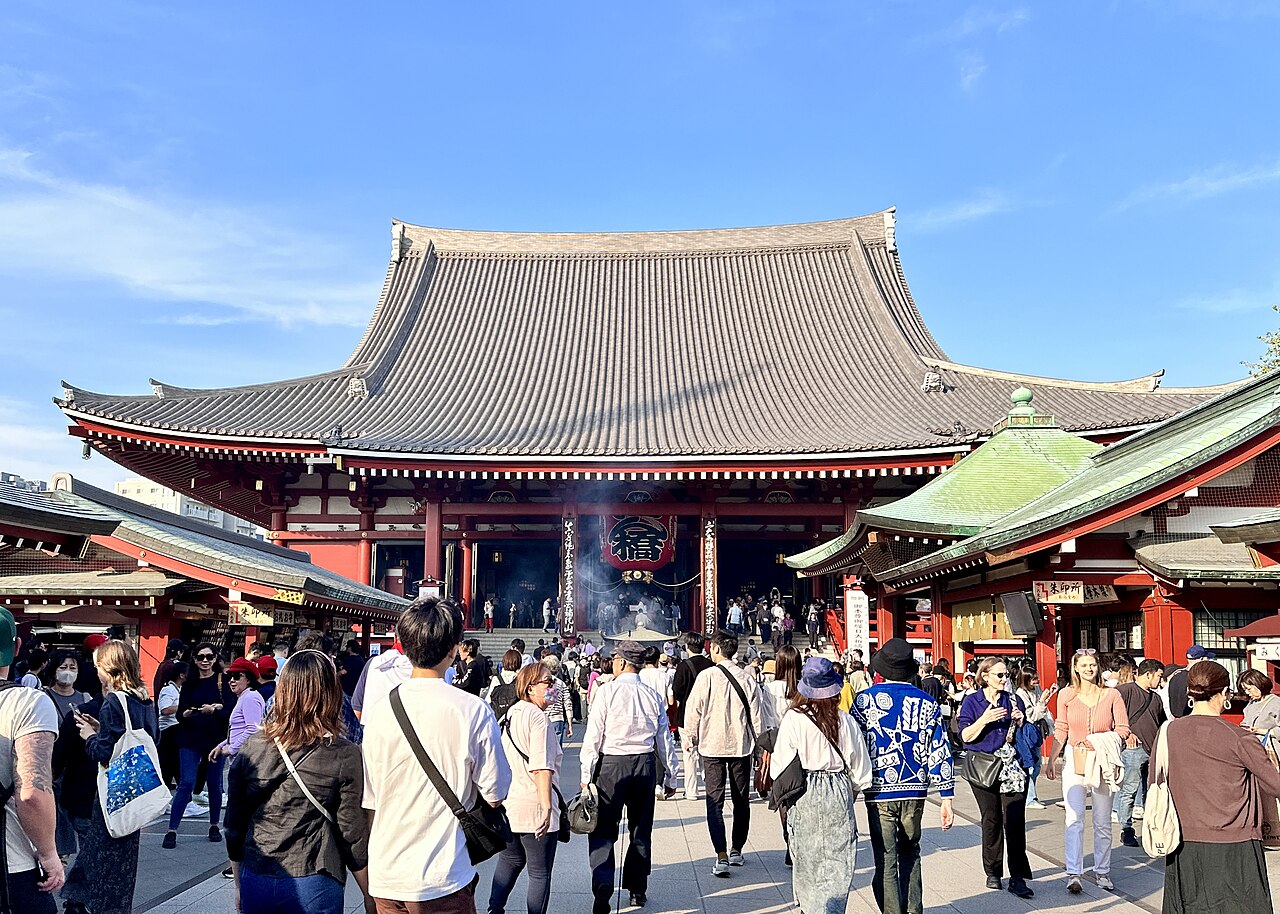
Tokyo's oldest temple and the natural place to begin — a huge red gate, a lantern-lined shopping street selling snacks and trinkets, and a genuinely atmospheric main hall at the end of it. Go early or after dark to dodge the thickest crowds; the temple lit up at night, nearly empty, was one of our quiet highlights. Even jaded temple-goers find Asakusa around it worth a slow wander.
✦ Insider tip: Visit after dark — the temple is floodlit and nearly empty once the day-trippers leave.
📍 2 Chome-3-1 Asakusa, Taito City, Tokyo 111-0032, JapanWebsite ↗
Tokyo Tower (Japan)
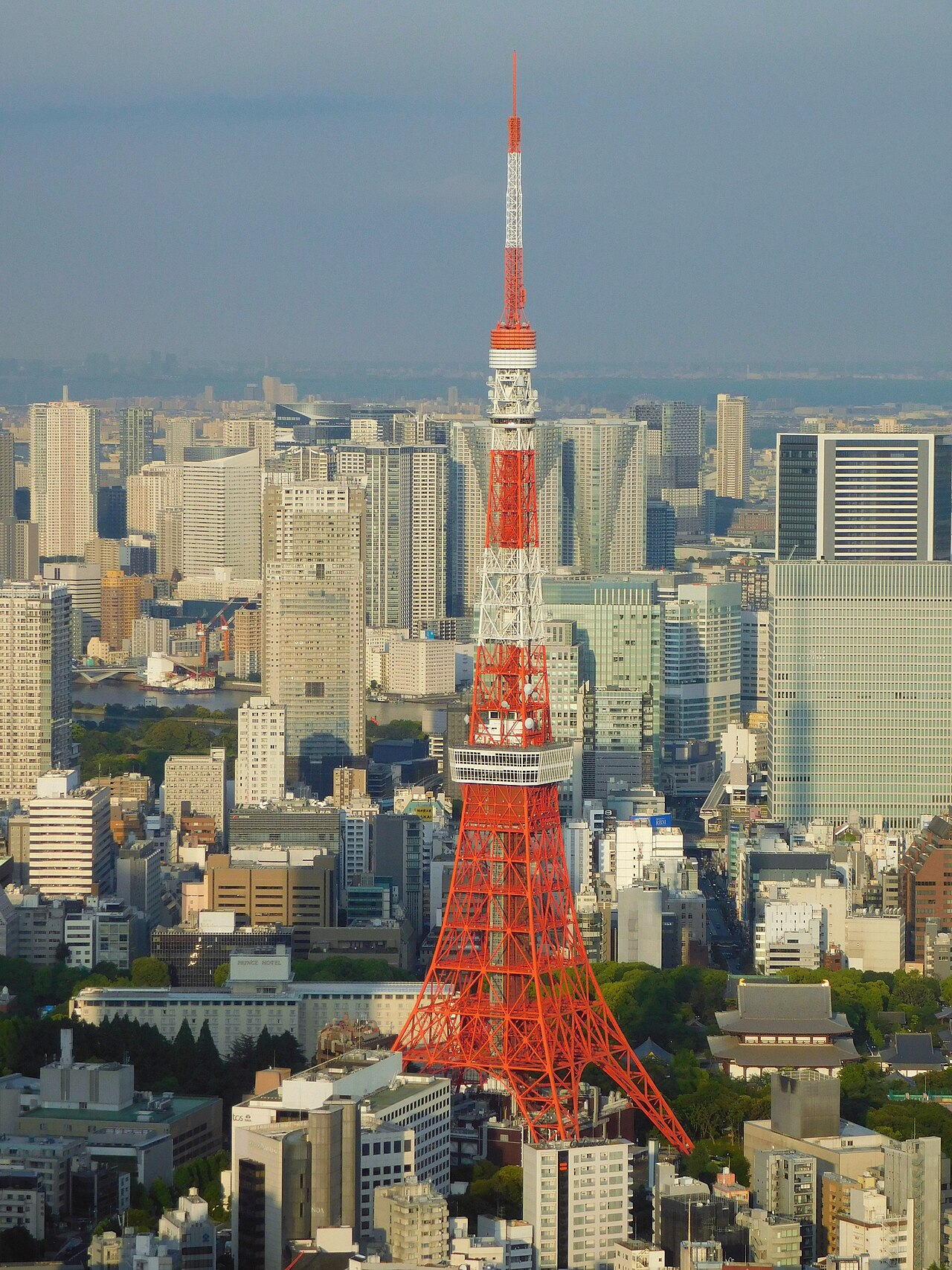
The orange-and-white tower that older Tokyo still loves best — smaller than Skytree but more characterful, and the view from the main deck lines up the whole sprawl beautifully. We rode up near sunset and watched the grid of lights switch on, which is the move. It photographs better from the streets around it than any observation deck can capture, so leave time to circle its base too.
📍 4 Chome-2-8 Shibakoen, Minato City, Tokyo 105-0011, JapanWebsite ↗
Opening hours
| Monday | 9 AM to 11 PM |
| Tuesday | 9 AM to 11 PM |
| Wednesday | 9 AM to 11 PM |
| Thursday | 9 AM to 11 PM |
| Friday | 9 AM to 11 PM |
| Saturday | 9 AM to 11 PM |
| Sunday | 9 AM to 11 PM |
Samurai Ninja Museum Asakusa Tokyo
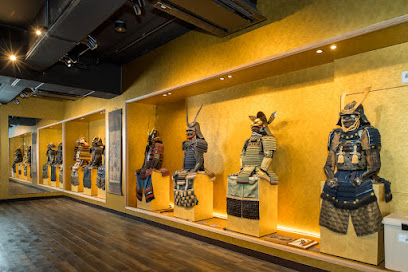
A hands-on little museum near Sensō-ji where the guides actually make it — costumes, sword demonstrations, and a genuine enthusiasm that wins over even skeptics. It's touristy and unashamed of it, and with kids or on a rainy Asakusa afternoon it's a lot of fun. We went in expecting kitsch and came out having learned more than we let on.
📍 1 Chome-8-13 Nishiasakusa, Taito City, Tokyo 111-0035, JapanWebsite ↗
Opening hours
| Monday | 9 AM to 7 PM |
| Tuesday | 9 AM to 7 PM |
| Wednesday | 9 AM to 7 PM |
| Thursday | 9 AM to 7 PM |
| Friday | 9 AM to 7 PM |
| Saturday | 9 AM to 7 PM |
| Sunday | 9 AM to 7 PM |
Meiji Jingu
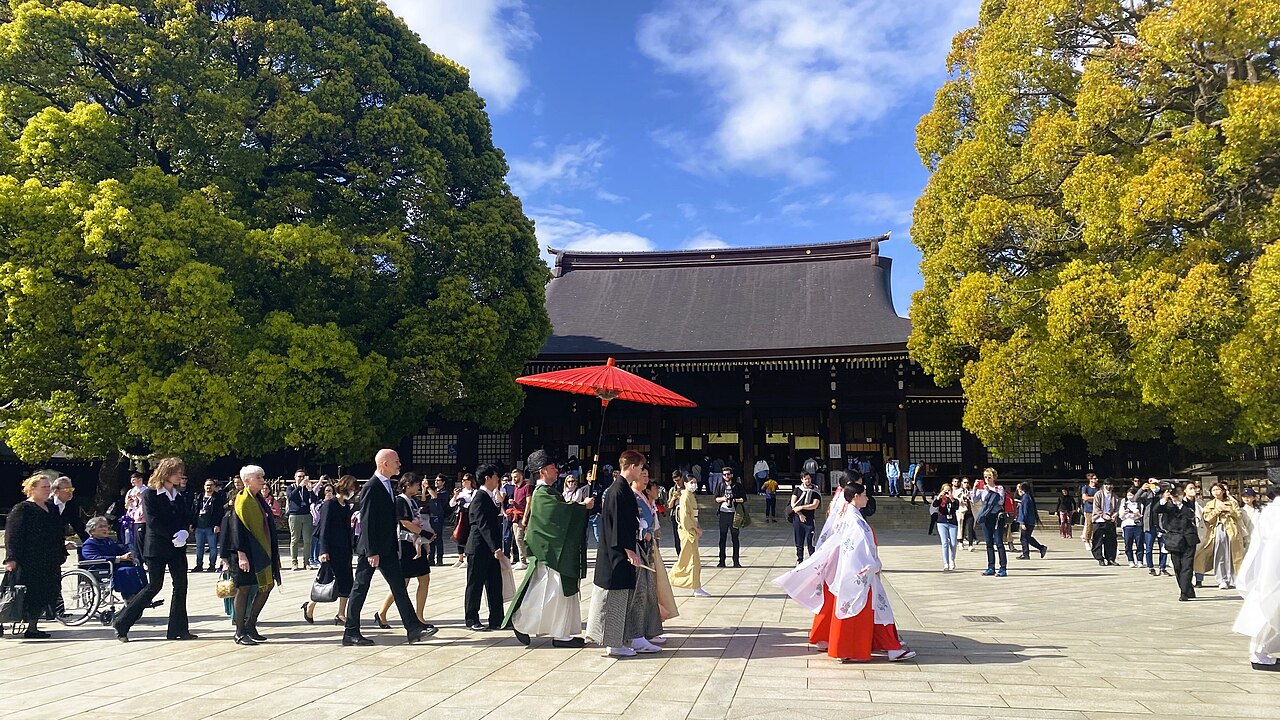
A vast forest shrine in the middle of the city, reached by a long gravel avenue under towering torii gates that muffle Tokyo the moment you step in. It's the calmest place we found in the centre — come in the morning and you might catch a traditional wedding procession. Pair it with the youthful chaos of Harajuku right outside the gates for Tokyo's sharpest contrast in a single block.
📍 1-1 Yoyogikamizonocho, Shibuya, Tokyo 151-8557, JapanWebsite ↗
Tokyo Skytree
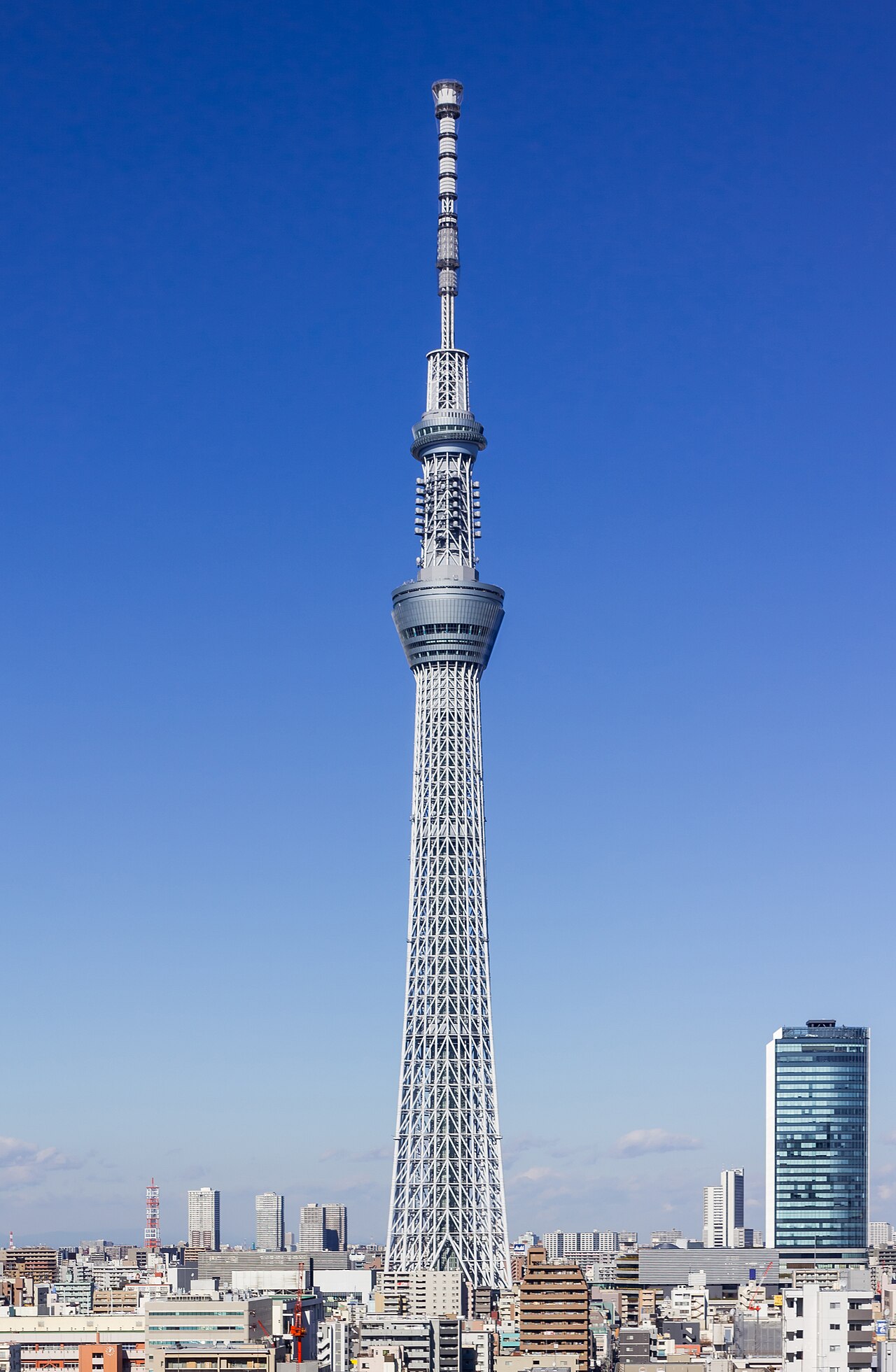
The tallest structure in the city and the view that finally conveys Tokyo's true size — on a clear day you can pick out Mount Fuji on the horizon. You don't have to pay to ascend to enjoy the base, which has a huge mall and aquarium, but if the sky is clear the deck is worth it. We treated the weather as the deciding factor: clear day, go up; hazy, skip it.
✦ Insider tip: Let the weather decide — go up only on a clear day, when Fuji is on the horizon.
📍 1 Chome-1-2 Oshiage, Sumida City, Tokyo 131-0045, JapanWebsite ↗
Opening hours
| Monday | 10 AM to 10 PM |
| Tuesday | 10 AM to 10 PM |
| Wednesday | 10 AM to 10 PM |
| Thursday | 10 AM to 10 PM |
| Friday | 10 AM to 10 PM |
| Saturday | 9 AM to 10 PM |
| Sunday | 9 AM to 10 PM |
teamLab Borderless: MORI Building DIGITAL ART MUSEUM
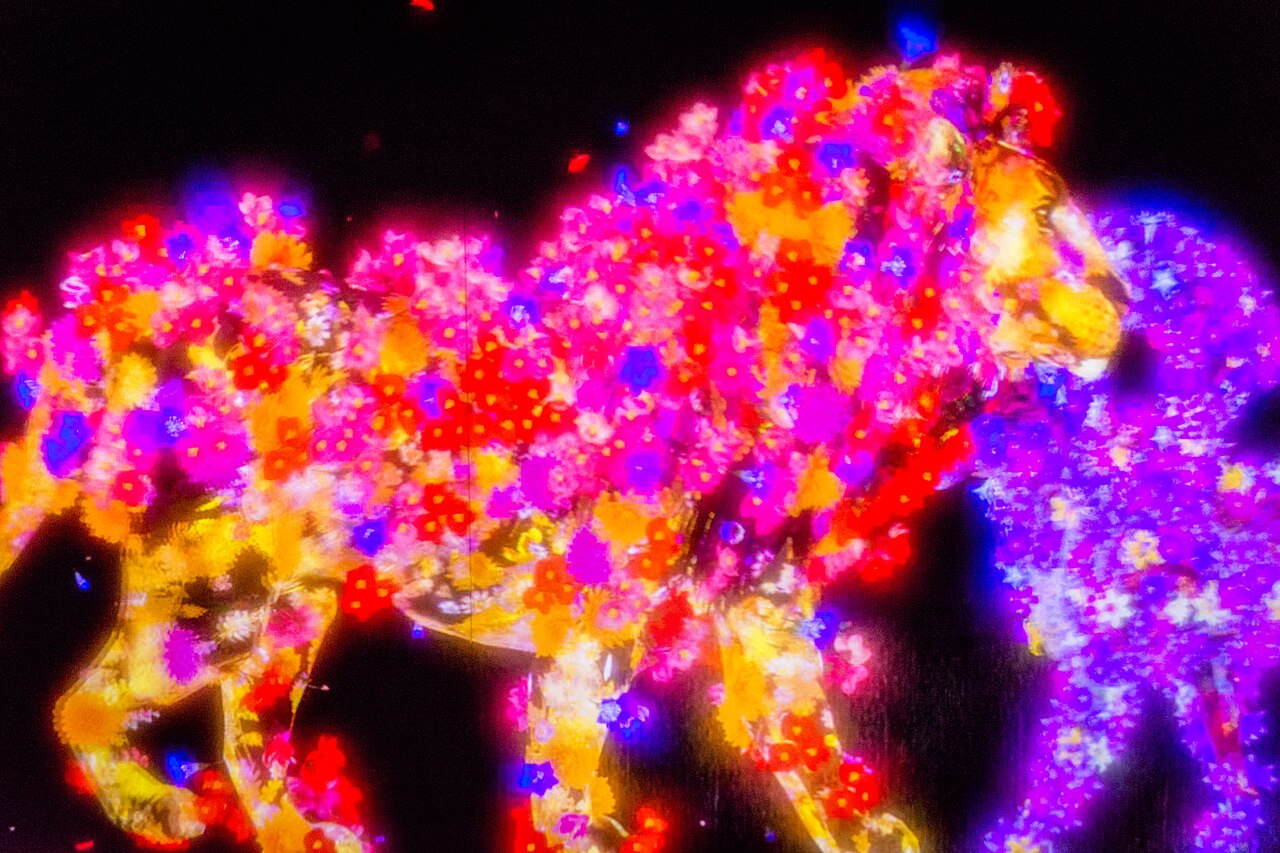
An immersive digital-art museum where projected light, water, and mirrors turn rooms into worlds you walk through — genuinely unlike anything else, and worth booking ahead for. It's crowded and disorienting in the best way; give yourself a couple of hours to get lost. We're usually cool on 'experiences,' and this one converted us. Wear something you don't mind seeing lit up in the mirrors.
📍 Japan, 106-0041 Tokyo, Minato City, Toranomon, 5 Chome− Azabudai Hills Garden Plaza B, B1Website ↗
Opening hours
| Monday | 8:30 AM to 9 PM |
| Tuesday | 8:30 AM to 9 PM |
| Wednesday | 8:30 AM to 9 PM |
| Thursday | 8:30 AM to 9 PM |
| Friday | 8:30 AM to 9 PM |
| Saturday | 8:30 AM to 9 PM |
| Sunday | 8:30 AM to 9 PM |
Shibuya Sky
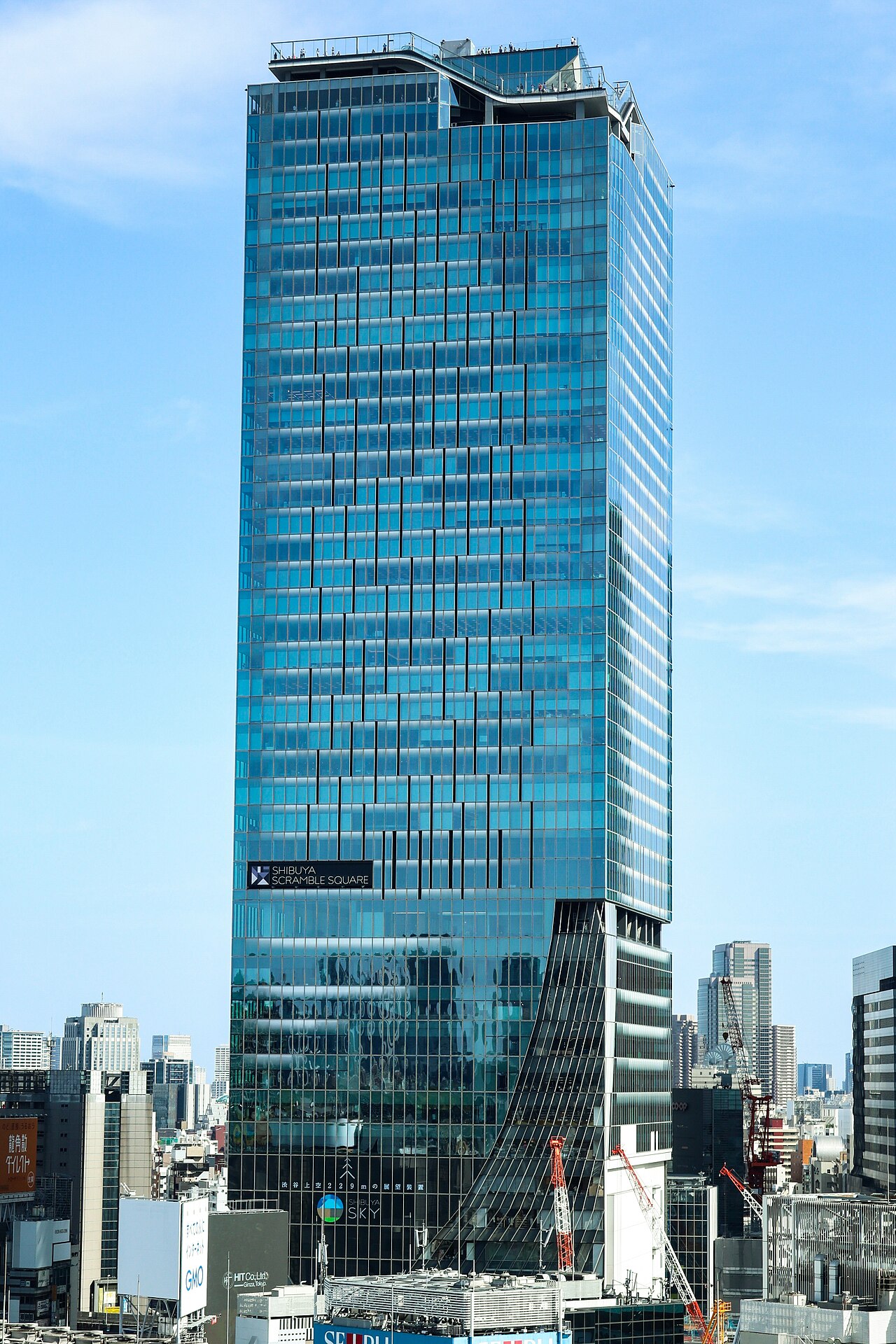
The open-air rooftop deck above Shibuya, and our pick for the single best view in the city — you look straight down onto the famous scramble crossing and out across an endless sea of towers. Book a sunset slot and arrive early; it sells out and the light is everything here. Standing at the glass edge as the city lights come on is the moment Tokyo's scale finally lands.
✦ Insider tip: Book a sunset slot days ahead and arrive early; it sells out and the timing makes the view.
📍 Japan, 150-6145 Tokyo, Shibuya, 2 Chome−24−12 1445 46Website ↗
Opening hours
| Monday | 10 AM to 10:30 PM |
| Tuesday | 10 AM to 10:30 PM |
| Wednesday | 10 AM to 10:30 PM |
| Thursday | 10 AM to 10:30 PM |
| Friday | 10 AM to 10:30 PM |
| Saturday | 10 AM to 8:30 PM |
| Sunday | 11 AM to 10:30 PM |
National Museum of Nature and Science
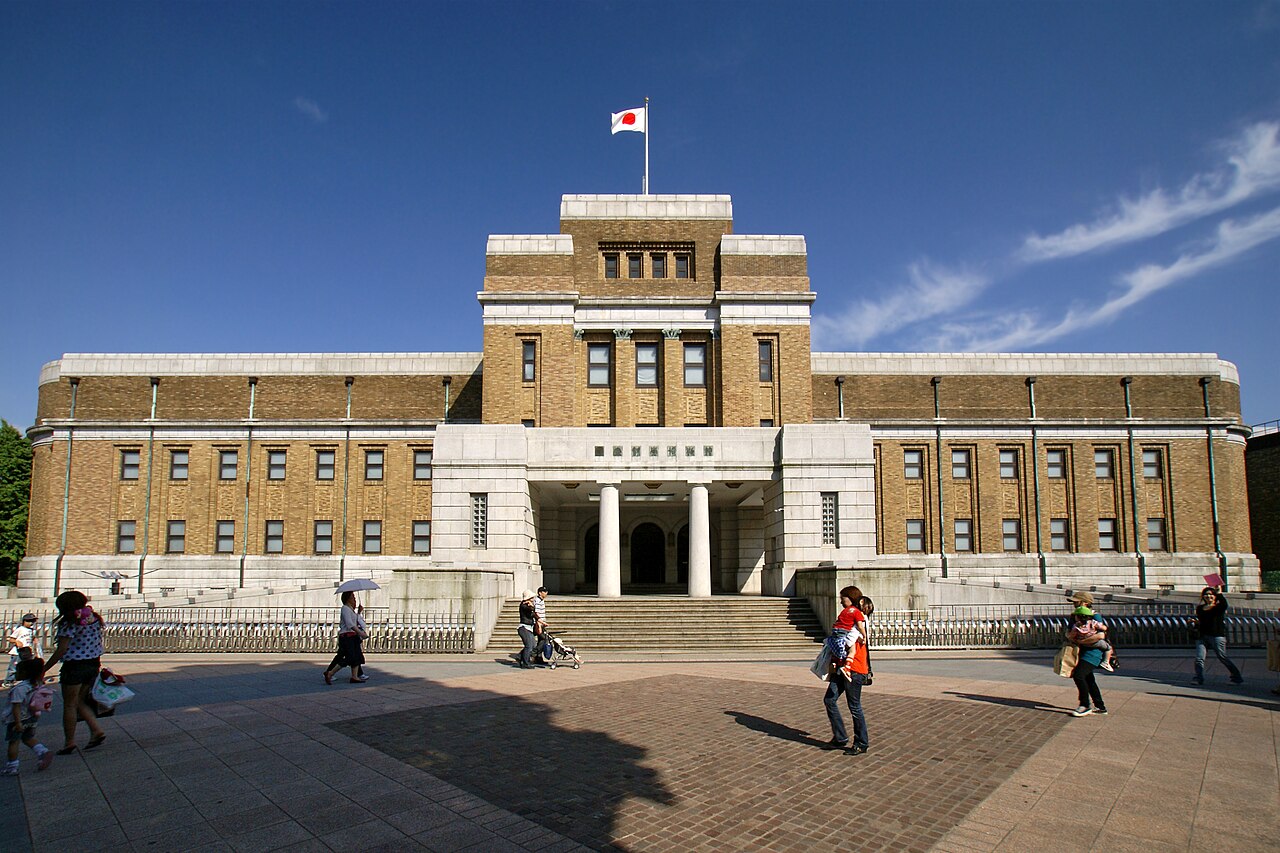
In leafy Ueno Park, this is the family-friendly heavyweight — dinosaurs, a full-size whale, and enough hands-on exhibits to burn a rainy half-day happily. It's well laid out and only lightly touristed compared with the temples, so it's a good change of pace. We ducked in to escape the rain and stayed far longer than planned; the kids around us clearly agreed.
📍 7-20 Uenokoen, Taito City, Tokyo 110-8718, JapanWebsite ↗
Opening hours
| Monday | Closed |
| Tuesday | 9 AM to 5 PM |
| Wednesday | 9 AM to 5 PM |
| Thursday | 9 AM to 5 PM |
| Friday | 9 AM to 5 PM |
| Saturday | 9 AM to 5 PM |
| Sunday | 9 AM to 5 PM |
4 more spots in this guide
Also inside: Shibuya Crossing · Ghibli Museum · Samurai Museum TOKYO Shinjuku · Edo-Tokyo Museum
Unlock the full Tokyo map →Want to explore all the places?
Discover them all — 560+ hand-picked spots in Tokyo — on BeyondWego.com
Get the Tokyo Map →Frequently asked questions
How many days do you need in Tokyo as a first-timer?
Four to five days is a comfortable first visit — enough for the major temples and shrines, a couple of observation decks, the big neighbourhoods (Shibuya, Shinjuku, Asakusa), and a day trip. Tokyo is huge, so building each day around one area keeps it from feeling like commuting.
What should I see on my first day in Tokyo?
Start in Asakusa at Sensō-ji early, then pair it with a tower or a museum nearby before crossing to a contrasting neighbourhood. Ending the day at a sunset observation deck like Shibuya Sky gives you the city's scale and your bearings in one go.
Is Tokyo easy to get around for first-time visitors?
Yes, once you trust the trains. The metro and JR lines are punctual, clean, and signed in English, and an IC card (Suica or Pasmo) makes every ride tap-and-go. Google Maps is reliable for routing, and stations are the landmarks you'll navigate by.
Do I need to speak Japanese to visit Tokyo?
No. Major signage and stations are bilingual, and translation apps cover the gaps. Learning a few polite phrases is appreciated, but you can navigate the sights, transport, and restaurants comfortably in English.
What is BeyondWego?
BeyondWego is an offline-ready travel map for Tokyo — 560+ spots hand-picked and verified by local experts, not scraped by an algorithm, organised into 7 themed layers you can switch between in a tap.
A travel pass for your trip · 7, 14 or 30 days · no auto-renew · works offline.
See the Tokyo map →About the author
Camille Laurent · Travel Curator, BeyondWego
Camille Laurent writes and curates city guides for BeyondWego. She walks each neighbourhood herself — coffee in hand, map in pocket — before a single spot earns its place, and keeps these guides current as cities change.
You'll also like